
Nothing Wasted
Fashion With Conscience
John 6:12 NLT.
Sewcially Inspired is on a Mission
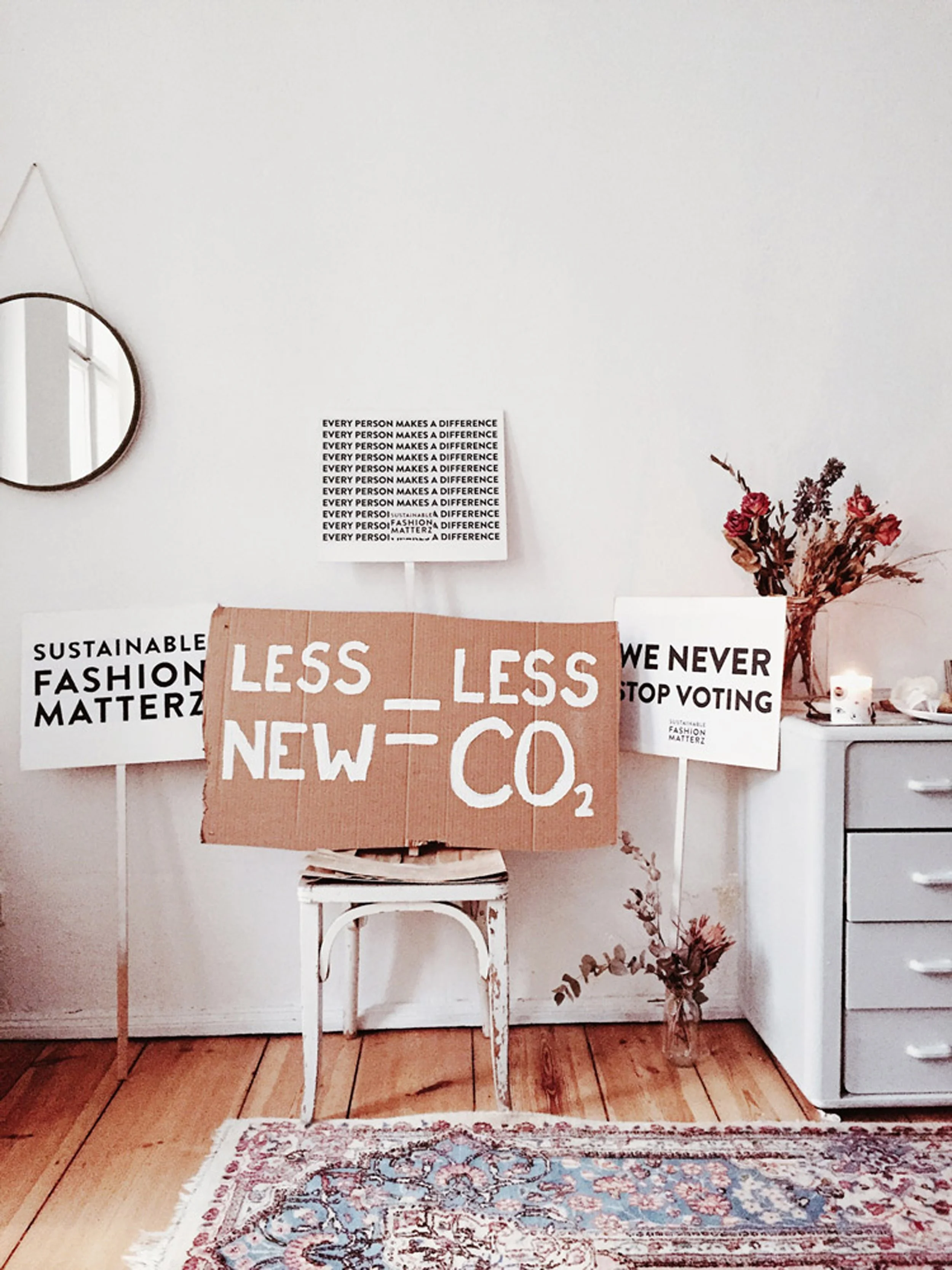
Sewcially Inspired is committed to reducing waste and our carbon footprint by adopting the "Nothing Wasted" mindset Jesus used in John 6:12 NLT in all elements of the design process.
Here's how we implement this:

Deadstock Fabric
Unused fabric at Major Fashion houses ends up in landfills. Sewcially Inspired purchases this fabric and creates quality classic pieces you can wear for decades.
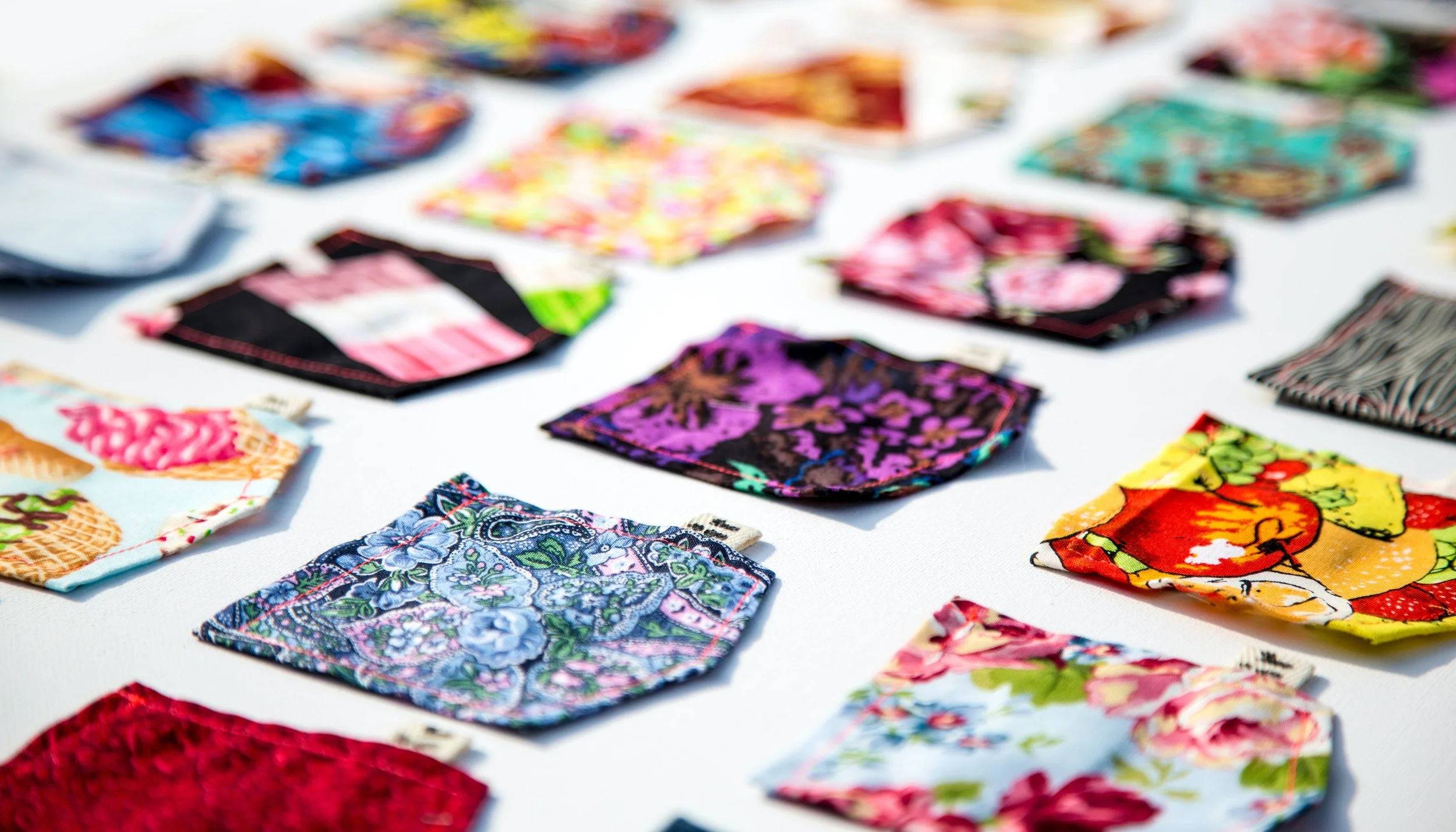
Remnants
Fabric pieces that are too small to create a garment. Sewcially Inspired uses these remnants to create earrings, purses, headbands, scrunchies, etc.
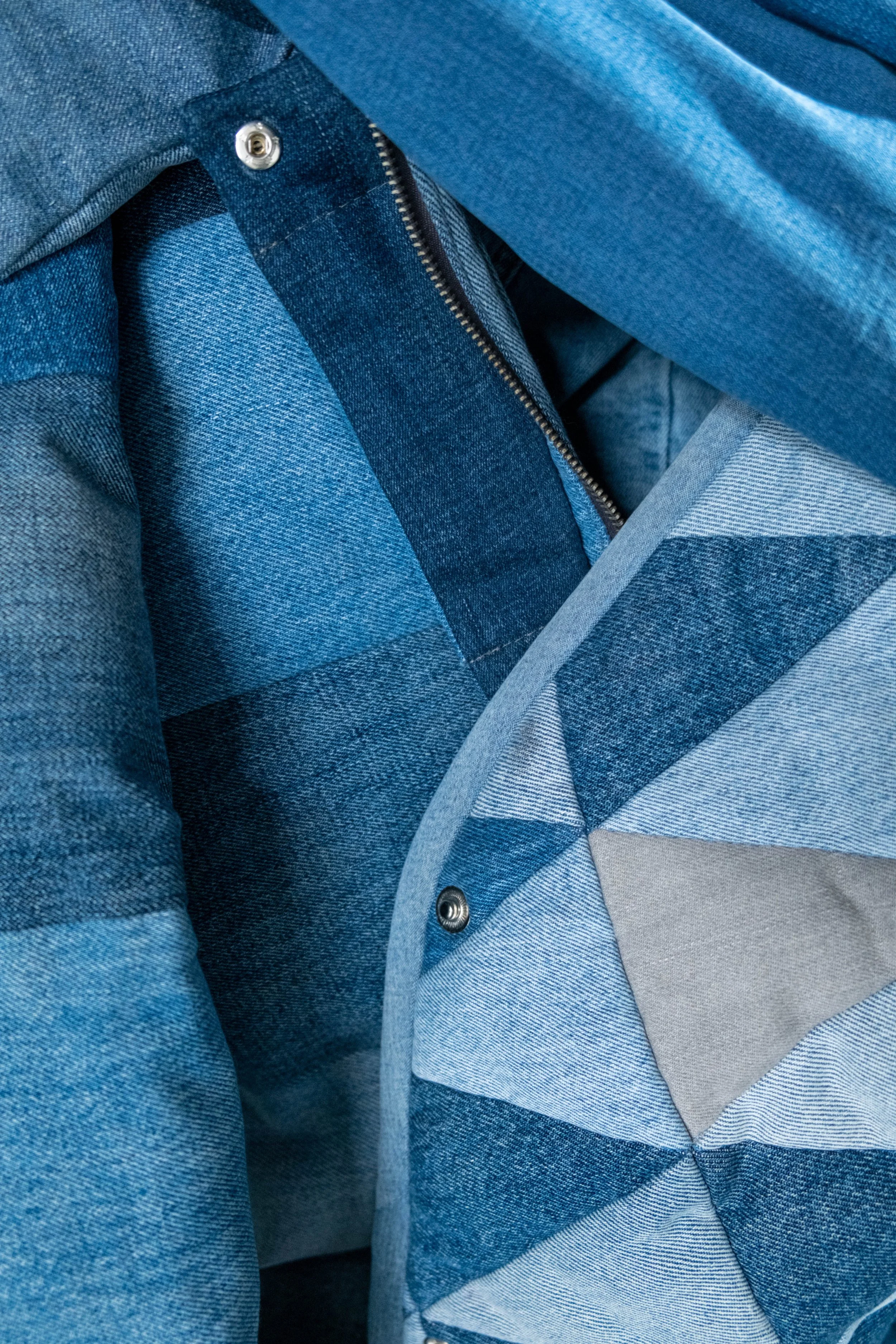
REPURPOSE
Premade garments that can be used for a different purpose. Sewcially Inspired repurposes garments by making them into other wearable items such as making pants into a skirt, a blazer into a bolero or two tops into a dress.
Sources
GREENHOUSE GASSES

One reason why fast fashion exacerbates climate change is through clothing and textile waste. Whether your clothes no longer fit or aren't in style, 57% of discarded, unsold, and used clothing ends up in landfills. The United States alone contributes 14 million tons of clothing waste annually.
WASTE & POLLUTION

In 2021, the World Economic Forum identified the fashion industry and its supply chain as the world's third-largest polluter. On average, it releases 10% of worldwide greenhouse gas emissions annually.
HOW YOU CAN HELP REDUCE FASHION WASTE ?
Buy Less and Make It Last
One of the most impactful steps you can take is to buy fewer clothing items and focus on quality over quantity. Choose pieces that are versatile, timeless, and well-made. By investing in durable garments, you not only reduce your need to shop frequently but also minimize the disposal of low-quality, disposable fashion.
Opt for Second-Hand and Vintage
Embrace the thrill of thrift shopping and vintage finds. Second-hand stores, online marketplaces, and vintage boutiques offer a treasure trove of unique and sustainable fashion options. Buying pre-loved clothing not only reduces the demand for new production but also gives new life to existing garments.
Support Sustainable Brands
When you have the opportunity, support fashion brands that prioritize sustainability and ethical practices. Look for certifications like Fair Trade or organizations dedicated to eco-friendly production. These brands often use eco-conscious materials, ethical labor practices, and eco-friendly packaging.
Choose Natural Fabrics
Synthetic fabrics, such as polyester and nylon, contribute to microplastic pollution and take a long time to decompose. Opt for natural materials like cotton, linen, wool, and hemp, which are biodegradable and have a lower environmental impact. Organic and responsibly sourced materials are even better choices.
Repurpose and Upcycle
Don't discard clothing just because it's no longer in style or doesn't fit perfectly. Get creative and repurpose old garments into something new and exciting. Turn old jeans into shorts, transform a dress into a stylish top, or add patches and embellishments to breathe new life into your clothing.
Repair and Maintain
Instead of discarding clothing with minor flaws, learn basic sewing skills to repair small tears, loose buttons, or loose hems. Regular maintenance, such as proper washing and storage, can extend the lifespan of your garments.
Donate or Sell
If you no longer need certain items, consider donating them to charities, shelters, or thrift stores. You can also sell gently-used clothing online, giving them a second chance with a new owner.
Educate Yourself
Stay informed about the fashion industry's impact on the environment and the ethical concerns within the industry. Knowledge is a powerful tool for making informed choices and advocating for positive change.